
Sewage Treatment Plant (STP)
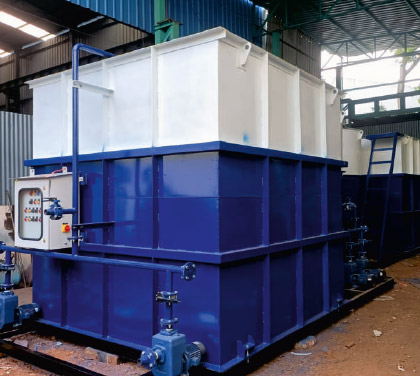
Sewage treatment (or domestic wastewater treatment, municipal wastewater treatment) is a type of wastewater treatment which aims to remove contaminants from sewage to produce an effluent that is suitable to discharge to the surrounding environment or an intended reuse application, thereby preventing water pollution from raw sewage discharges.
The process of treating wastewater involves removing contaminants, pollutants, and other harmful substances to ensure that the water can be safely released back into the environment or reused for other purposes.
Sewage treatment plants play a critical role in protecting public health and the environment by preventing the spread of disease and reducing pollution.
Applications
- Municipal Wastewater Treatment Plants for cities and towns
- Residential Societies & Housing Complexes
- Hospitals, Hotels, and Institutions
- Industrial Facilities generating domestic-type wastewater
- Reuse Applications such as gardening, landscaping, flushing, and cooling towers
- Environmental Protection by preventing contamination of rivers, lakes, and groundwater
Key Features & Benefits
- Multi-stage treatment including primary, secondary, and tertiary processes
- Biological treatment for effective removal of organic pollutants
- Advanced filtration and disinfection systems
- Automated monitoring and control options
- Compact modular designs suitable for urban and industrial spaces
- Produces safe, treated effluent suitable for discharge or reuse
- Removes harmful contaminants, pathogens, and pollutants
- Protects public health by preventing waterborne diseases
- Reduces environmental impact and supports sustainability goals
- Helps comply with regulatory standards and pollution control norms
- Minimizes freshwater consumption through treated water reuse